

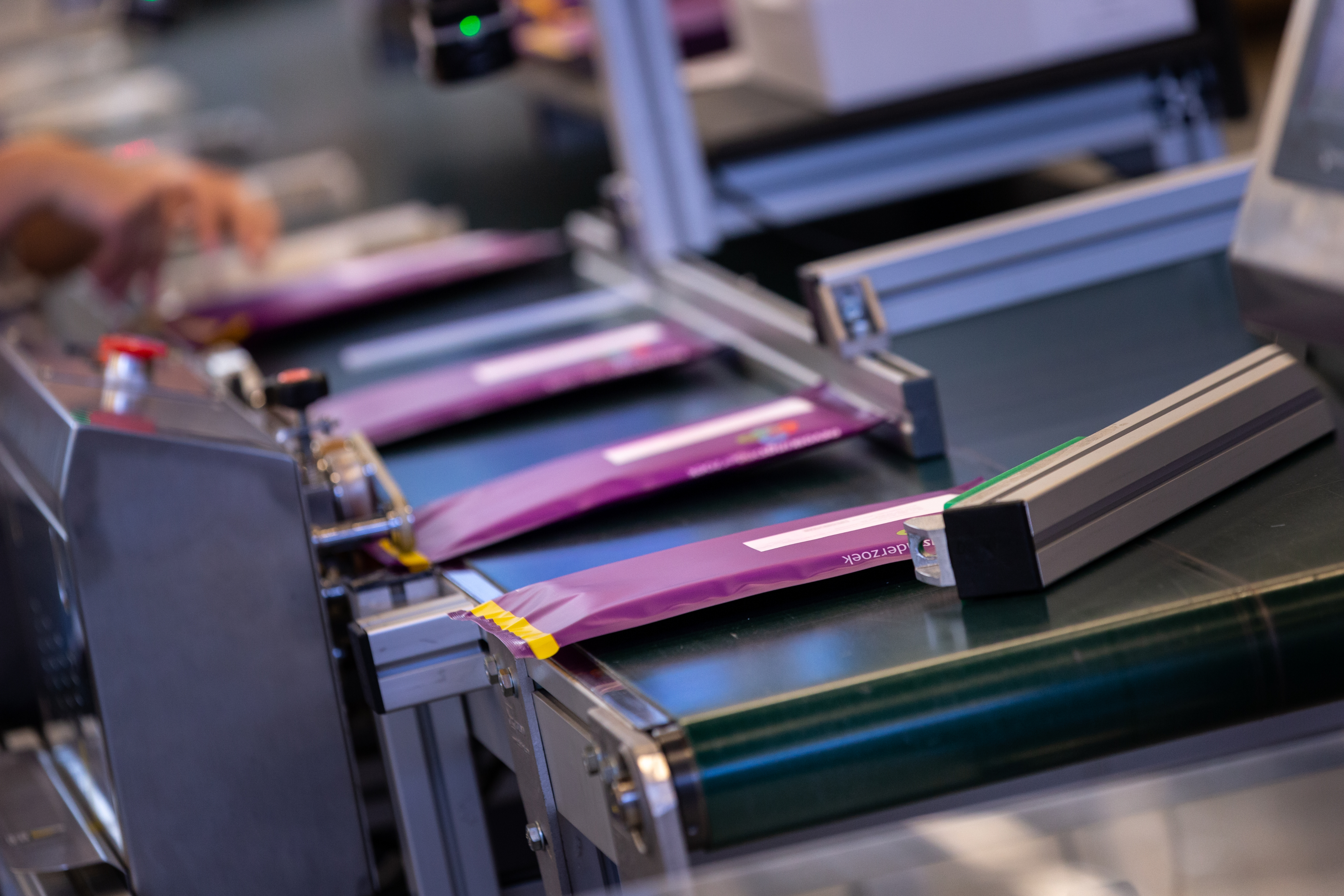
Labeling on medical device packages is not merely a regulatory requirement; it plays a crucial role in ensuring patient safety, compliance with regulations, and product efficacy. The medical device packaging market is intricate, characterized by stringent guidelines and evolving technologies. Therefore, understanding best practices for effective labeling is essential.
Understanding the Importance of Labeling
Effective labeling serves multiple purposes. It provides critical information to healthcare professionals and patients regarding the use, handling, storage, and disposal of medical devices. With the rise in global regulations, such as those outlined by the FDA and ISO standards, manufacturers face increasing pressure to stand up pouches wholesale ensure their labels are clear, concise, and compliant.
The stakes are high when it comes to mislabeling. Errors can lead to improper usage of devices, resulting in adverse health outcomes or even fatalities. For example, confusion over dosage instructions or misuse due to unclear warnings can have serious ramifications. Thus, investing time and resources into developing effective labeling strategies is not just prudent but necessary.
Key Components of Medical Device Labels
A well-designed label includes several critical components that enhance clarity and usability:
Product Identification: Clearly state the name of the device along with any relevant model or catalog numbers. This helps in accurate identification during procurement and use.
Instructions for Use (IFU): Providing detailed instructions on how to safely operate the device is essential for reducing user error. The IFU should be straightforward while covering all necessary operational details.
Warnings and Precautions: Highlight potential risks associated with the device's use. This section should be easily noticeable to ensure users are aware of any hazards before using the product.
Storage Conditions: Indicate specific storage requirements to maintain product integrity—temperature ranges, humidity levels, or light exposure limitations can significantly affect device performance.
Expiration Date: Including an expiration date ensures that users do not utilize products past their safe usage period.
These components collectively contribute to a label's effectiveness in communicating vital information.
Regulatory Considerations
Medical device packaging regulations vary across regions but generally share common themes focused on safety and efficacy. In the United States, the FDA oversees medical device labeling under Title 21 CFR Part 801. The European Union has its own set of guidelines under the Medical Devices Regulation (MDR) 2017/745.
Compliance with these regulations requires an understanding of not only what needs to be included on labels but also how this information should be presented:
- Language Requirements: Labels must often include translations depending on where devices will be sold. Font Size and Readability: Regulations may specify minimum font sizes or contrast requirements to ensure legibility. Symbols: Many countries allow the use of standardized symbols (like those from ISO 7010) that convey important safety information without relying solely on text.
Failing to comply with these regulations can result in costly recalls or legal challenges—outcomes that no manufacturer wants to face.
Best Practices for Designing Effective Labels
Designing labels that meet regulatory requirements while still being user-friendly involves a thoughtful approach:
User-Centric Design
Consider who will be using your product and tailor your labels accordingly. Healthcare professionals may require different information compared to end-users US Packaging Company like patients or caregivers. Engage potential users during the design process through interviews or focus groups; their feedback can guide you towards more intuitive designs.
Clear Hierarchy of Information
Utilize visual hierarchy to prioritize critical information effectively. For instance, make warnings bold or highlighted so they stand out against other text elements on the label. Group related information together logically; this helps users scan through labels quickly without missing essential details.
Consistency Across Products
If your company produces multiple devices within a product line, maintaining consistency in labeling design can enhance brand recognition and ease of use among healthcare providers familiar with your products.
Testing Label Effectiveness
Conduct label testing in real-world scenarios before finalizing designs. Gather feedback from actual users interacting with your packages—this step can reveal issues you might not have considered during development.
Implementing these best practices fosters clearer communication between manufacturers and users while enhancing overall safety.
The Role of Technology in Labeling
Advancements in technology offer exciting opportunities for improving labeling processes:
- Digital Solutions: QR codes or NFC technology can provide additional content beyond what fits on physical labels—such as instructional videos or detailed product information that can help clarify complex usage scenarios. Automated Compliance Checks: Software tools can streamline compliance processes by cross-referencing proposed label content against regulatory databases to identify potential issues before they reach production stages.
These innovations enable companies to stay ahead of regulatory changes while enhancing user experiences through interactive elements.
Packaging Materials Impacting Label Quality
The choice of packaging materials significantly affects label quality and integrity:
- Environmental Factors: Consider how moisture or temperature fluctuations might impact label adherence over time—especially critical for sterile packaging used in surgical settings. Material Compatibility: Ensure that ink types used for printing labels are compatible with package materials; some inks may smudge or fade if subjected to certain chemicals or environmental conditions typical in healthcare environments.
Selecting appropriate materials not only impacts durability but also affects how well your labeling communicates its intended messages throughout a product's lifecycle.
Sustainability Considerations
The growing emphasis on sustainability within the medical packaging sector influences labeling decisions too. As consumers become increasingly eco-conscious:
- Companies are reevaluating their choices regarding inks (e.g., using vegetable-based inks) as well as substrates (such as biodegradable options). Implementing sustainable practices throughout production processes—from sourcing raw materials responsibly through recycling efforts post-consumer use—can enhance brand reputation while aligning with environmentally friendly goals.
Sustainable medical packaging resonates well with both consumers’ values and regulatory expectations focusing on reducing waste throughout supply chains.
Conclusion
Effective labeling on medical device packages cannot be underestimated—it safeguards patients' welfare while ensuring compliance within highly regulated markets around the globe. By prioritizing user-centric designs merged seamlessly with rigorous attention to regulatory standards alongside innovative technological approaches – organizations position themselves for success amidst evolving industry landscapes where precision remains paramount at every stage from manufacturing through delivery into end-user hands.
Through thoughtful application of best practices combined alongside a commitment towards sustainability initiatives—we reinforce our collective responsibility toward advancing public health outcomes across diverse populations worldwide!